

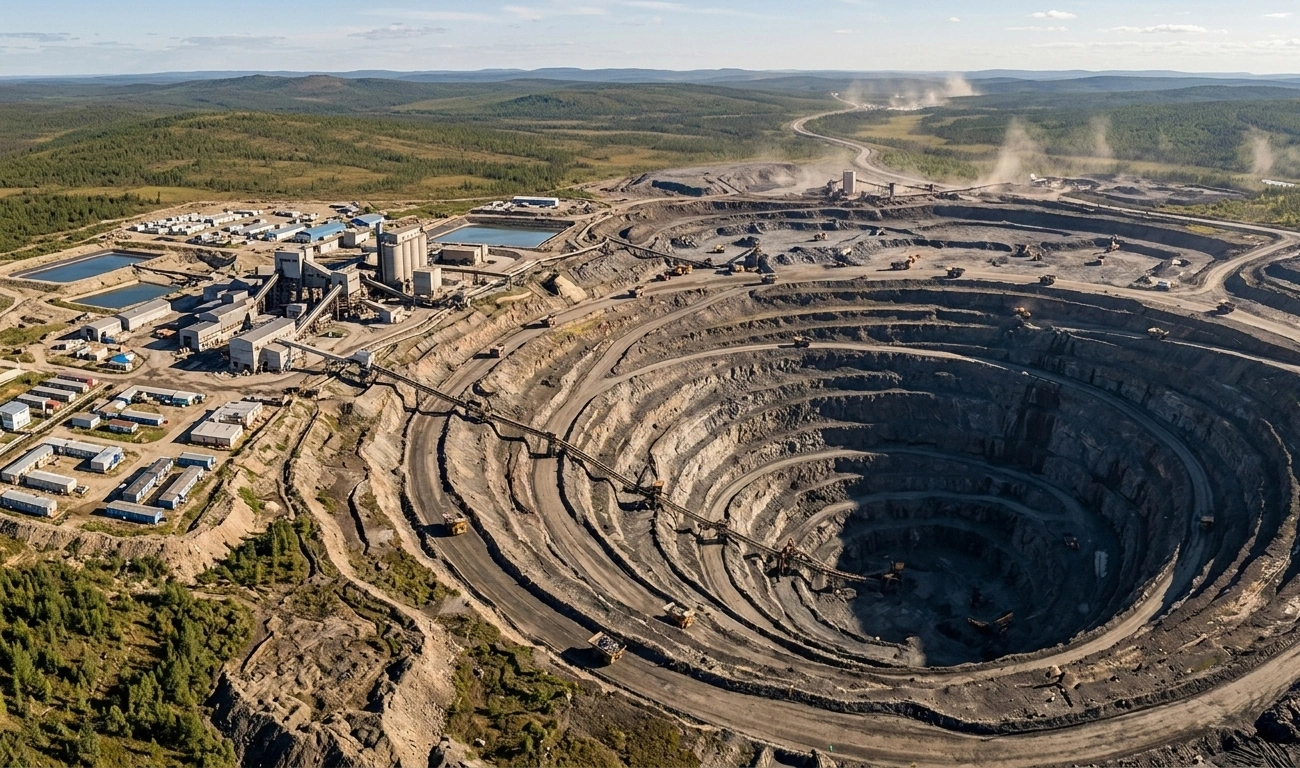
For centuries, natural diamonds have captured human fascination. From royal jewellery collections to modern engagement rings, diamonds continue to symbolise rarity, durability and enduring value. But in 2026, many people still ask a simple question: where do natural diamonds actually come from today?
The global diamond supply has changed dramatically over the past few decades. Some historic mines have closed, new discoveries have emerged, and geopolitical factors have reshaped where the world’s diamonds are sourced.
Perhaps the biggest shift affecting Australians was the closure of the Argyle mine in Western Australia in 2020. Argyle was responsible for producing more than 90 per cent of the world’s rare pink diamonds and a significant portion of the global diamond supply.
Today, natural diamonds are mined across several continents, with a handful of countries dominating global production. Understanding where diamonds come from helps buyers appreciate their rarity, geological story and value.
In this article, we explore the major diamond-producing countries in 2026 and explain how the global diamond supply landscape looks today.
How Natural Diamonds Form Before They Are Mined
Before discussing where diamonds are mined, it helps to understand how they form in the first place.
Natural diamonds originate deep within the Earth’s mantle, typically between 140 and 190 kilometres below the surface. They form under extremely high temperatures and pressures over billions of years. Carbon atoms crystallise into a rigid lattice structure, creating the hardest natural material on Earth.
These diamonds reach the surface through ancient volcanic eruptions that form geological structures known as kimberlite pipes or lamproite pipes. These pipes act as natural conduits, bringing diamonds from deep underground closer to the surface where they can eventually be mined.
Because these geological events are rare, economically viable diamond deposits are limited to specific regions around the world.
The Global Diamond Supply in 2026
Today, the majority of the world’s natural diamonds come from a relatively small group of countries. The leading producers include:
- Russia
- Botswana
- Canada
- Democratic Republic of Congo
- South Africa
- Angola
- Namibia
- Zimbabwe
Each country produces diamonds with unique geological characteristics and varying qualities.
Some produce large volumes of smaller diamonds used in jewellery manufacturing, while others are known for exceptionally high-quality stones that command premium prices.
Let’s explore the major diamond sources shaping the global market today.
Russia: The World’s Largest Diamond Producer
Russia remains the largest producer of natural diamonds by volume in 2026. Most of the country’s diamonds come from the Siberian region of Yakutia.
Major Russian Diamond Mines
Key mining operations include:
- Mir Mine
- Udachny Mine
- Aikhal Mine
- Nyurbinskaya Mine
These mines are operated primarily by the Russian company ALROSA, one of the largest diamond mining companies in the world.
Russian diamonds are known for consistent production volumes and good overall quality. Many stones mined in Russia are suitable for both jewellery and industrial uses.
Despite geopolitical challenges in recent years, Russia continues to supply a significant share of the global diamond market.
Botswana: Africa’s Diamond Success Story
Botswana is widely regarded as one of the most successful diamond-producing countries in the world. Diamonds have transformed the country’s economy since major deposits were discovered in the late 1960s.
The Famous Jwaneng Mine
Botswana’s Jwaneng Mine is often described as the richest diamond mine on Earth in terms of value.
Other major mines include:
- Orapa Mine
- Letlhakane Mine
- Karowe Mine
The Karowe mine has produced several of the largest gem-quality diamonds discovered in recent years, including stones weighing more than 1,000 carats.
Botswana’s diamond industry is also notable for its strong partnership with De Beers and its emphasis on ethical mining practices and economic development.
Canada: A Major Modern Diamond Source
Canada has become one of the world’s most important diamond producers over the past three decades.
Unlike many African diamond fields, Canadian diamonds are mined in extremely remote and environmentally challenging conditions in the country’s northern regions.
Key Canadian Diamond Mines
Important Canadian mines include:
- Ekati Mine
- Diavik Mine
- Gahcho Kué Mine
- Renard Mine
Canadian diamonds are often marketed as some of the most responsibly sourced diamonds in the world. Strict environmental regulations, traceability programs and transparent labour standards make them particularly appealing to ethically conscious buyers.
Many Canadian diamonds are laser inscribed with a maple leaf symbol and certificate number to verify their origin.
Democratic Republic of Congo: High Volume Production
The Democratic Republic of Congo produces a large quantity of diamonds each year, although most are industrial-grade stones rather than gem-quality diamonds used in jewellery.
Much of the country’s diamond production comes from artisanal mining, where individuals or small groups mine diamonds using basic tools.
While the country produces a high volume of diamonds, relatively few are large or high-quality gemstones suitable for fine jewellery.
Efforts are ongoing to improve traceability, transparency and labour conditions in the region’s diamond sector.
Angola: A Rising Diamond Powerhouse
Angola is emerging as one of Africa’s most promising diamond producers.
After years of political instability, the country has significantly expanded its diamond mining sector. Large deposits remain underexplored, and international mining companies continue investing in the region.
Key Angolan Diamond Mines
Major operations include:
- Catoca Mine
- Lulo Mine
- Luaxe Project
The Lulo mine is particularly famous for producing exceptionally large and high-quality diamonds. Some of the largest diamonds discovered in the past decade have come from this region.
With vast untapped resources, Angola is expected to play an even larger role in the global diamond market in the coming years.
South Africa: The Historic Birthplace of Diamond Mining
South Africa holds a special place in diamond history.
The modern diamond industry began here in the late 1800s with the discovery of diamonds near Kimberley. This discovery sparked a global diamond rush and eventually led to the creation of De Beers.
Important South African Mines
Notable mines include:
- Venetia Mine
- Cullinan Mine
- Finsch Mine
The Cullinan mine is famous for producing the Cullinan Diamond, the largest gem-quality diamond ever discovered, weighing over 3,100 carats.
Although South Africa no longer dominates global production the way it once did, it still produces high-quality diamonds and remains an important part of the global supply.
Namibia: Diamonds from the Ocean Floor
Namibia is unique because much of its diamond production comes from marine mining.
Diamonds washed from inland deposits millions of years ago were carried by rivers to the Atlantic Ocean. Over time, they accumulated along the ocean floor off Namibia’s coast.
Today, specialised ships vacuum diamonds from the seabed using advanced technology.
These marine diamonds are often exceptionally high quality because natural ocean currents have removed lower-quality stones over time.
Namibia produces a relatively small volume of diamonds compared to some countries, but the average quality is extremely high.
Zimbabwe: A Controversial but Significant Source
Zimbabwe is another African country with large diamond reserves, particularly in the Marange diamond fields.
These deposits were discovered in the early 2000s and quickly became one of the world’s largest diamond sources.
However, the region has faced international scrutiny regarding governance and mining practices. In recent years, Zimbabwe has taken steps to improve oversight and transparency in its diamond sector.
While production fluctuates, Zimbabwe remains a notable contributor to global diamond supply.
What Happened to Australia’s Diamond Industry?
For Australians, one of the most significant changes in the diamond world was the closure of the Argyle Diamond Mine in Western Australia.
Argyle operated for nearly four decades and produced more than 865 million carats of diamonds.
It was particularly famous for producing:
- Pink diamonds
- Red diamonds
- Champagne diamonds
Argyle pink diamonds were among the rarest diamonds on Earth. Since the mine closed in 2020, their value has increased significantly due to their extreme rarity.
Today, Australia no longer has active large-scale diamond mines, which has shifted global supply dynamics even further toward Africa, Russia and Canada.
Why Diamond Origin Matters for Buyers
For many diamond buyers, knowing where a diamond comes from is becoming increasingly important.
Consumers today often consider factors such as:
- Ethical sourcing
- Environmental responsibility
- Traceability
- Rarity
Some diamond origins are associated with higher-quality stones or unique colour characteristics. Others are valued for strong ethical mining practices and transparent supply chains.
At the same time, the rarity of natural diamonds remains a defining factor. Unlike lab-grown diamonds, natural diamonds formed billions of years ago and are finite resources.
Understanding their origin adds another layer of appreciation to these remarkable gemstones.
The Future of Natural Diamond Supply
Looking ahead, the global diamond industry faces several challenges.
Major mines around the world are gradually reaching the end of their lifespan, and new large diamond discoveries have become increasingly rare.
This means that the supply of natural diamonds may slowly decline over the coming decades.
At the same time, demand for natural diamonds remains strong, particularly for rare stones with exceptional colour, clarity and provenance.
As a result, high-quality natural diamonds are expected to retain strong long-term value.
by Australian Diamond Brokers : February 23rd 2026 Come visit our store or browse our website to find out more.