

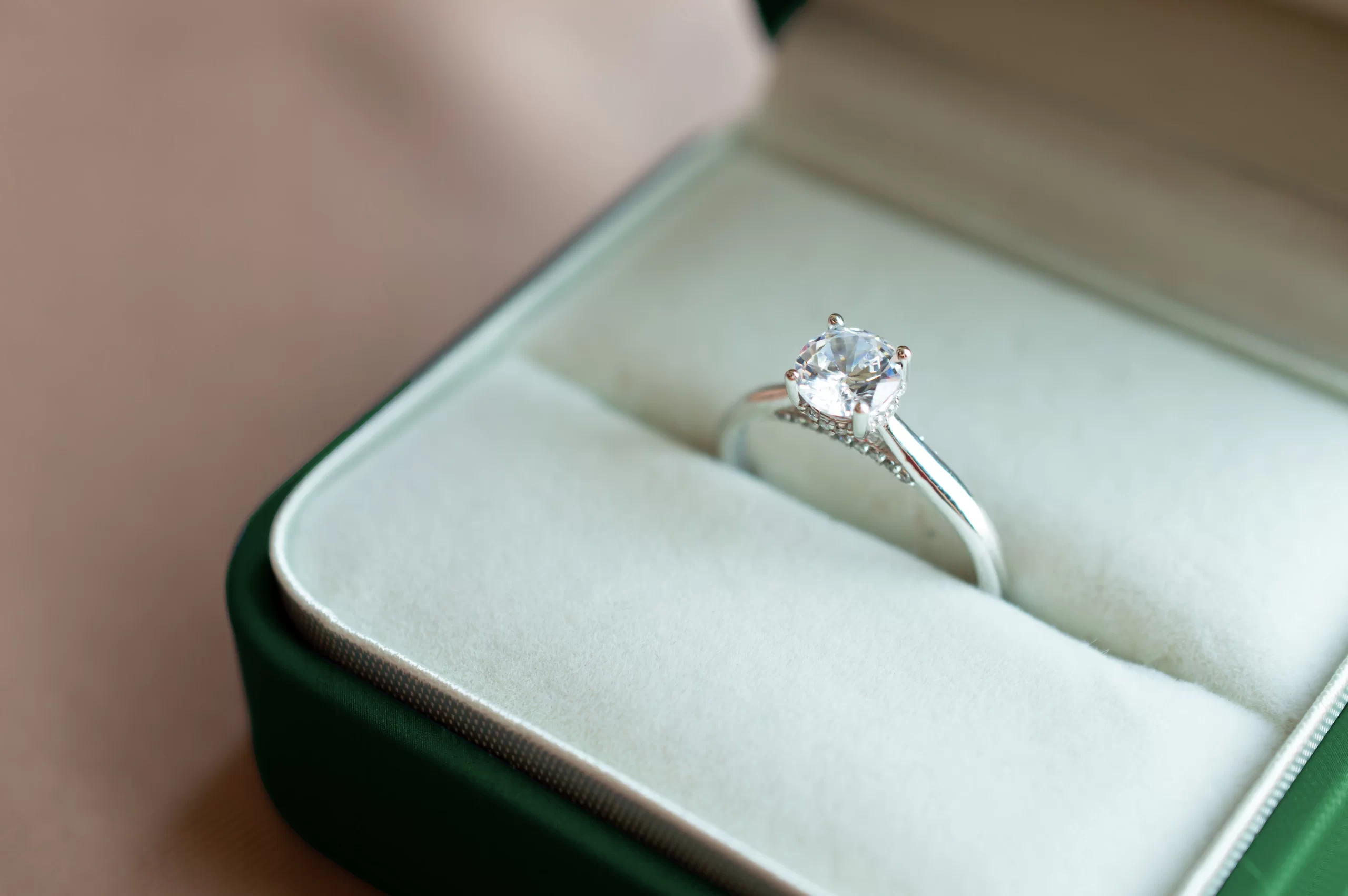
Buying a wedding ring isn’t just another item on your to-do list, it’s a significant emotional and financial commitment. In Australia, weddings are a big deal, and the ring is more than a symbol; it’s a lasting reminder of your commitment and a piece of jewellery that your partner will wear every single day. Yet, for such an important decision, it’s surprising how many couples walk into a jeweller without a plan, and walk out with regret.
When emotions run high, it’s easy to fall for sparkly displays, pushy sales tactics, or online deals that seem too good to be true. But if you’re not careful, you could end up with a ring that doesn’t fit, doesn’t suit your lifestyle, or worse, isn’t even genuine.
This article dives deep into the most common mistakes Aussies make when buying wedding rings, and how you can steer clear of them. Whether you’re just starting to look or you’re already feeling overwhelmed by choices, this guide is here to make sure you choose a ring you’ll love forever (without blowing your budget or your sanity).
Mistake #1: Not Setting a Realistic Budget
Let’s be honest, wedding expenses add up fast, and the ring is no exception. One of the first and biggest mistakes people make is not setting a clear, realistic budget before they start shopping. And in Australia, where the average cost of a wedding ring for men is around $1,000 and for women upwards of $5,000, depending on the diamond quality and metal, things can get out of hand quickly.
Too often, people walk into a jeweller with no price range in mind and get dazzled by a salesperson showing off $10,000 rings. Suddenly, you’re taking out a loan or maxing out a credit card just to keep up with unrealistic expectations. But here’s the thing, spending more doesn’t mean the ring is better. In fact, some of the best-looking and most meaningful rings are well below the flashy five-figure price tags.
To avoid this trap, sit down and decide on a maximum spend. Factor in not just the ring itself, but also any customisation fees, resizing costs, or insurance. A smart move is to also set a buffer, say 10% extra, just in case you find “the one” that slightly nudges your limit.
It’s also worth comparing prices online and in-store. Websites like Michael Hill, James Allen, or even Etsy offer great insights into price ranges and can help you gauge what your budget can realistically get you in the Australian market.
Bottom line? Your ring should be a symbol of love, not a source of financial stress.
Mistake #2: Ignoring Lifestyle and Daily Habits
Think about your day-to-day life. Do you work with your hands? Are you active, always outdoors, or maybe in healthcare or hospitality where hygiene matters? If you said yes to any of these, you need to factor that into your ring choice. One major mistake buyers make is choosing a ring based purely on looks and completely ignoring how it will hold up in real life.
A gorgeous pavé diamond ring might sparkle under store lights, but it might not stand up to a life of lifting weights, washing hands 20 times a day, or working with tools. For active Aussies, think tradies, nurses, fitness coaches, you want durability first. That means considering harder metals like platinum or titanium, which resist scratching and denting.
On the flip side, if your partner has a desk job or rarely does hands-on work, you might be able to go for something a little more delicate and intricate.
Also, lifestyle includes comfort. If someone rarely wears jewellery, suddenly having a bulky, wide band on their finger might feel annoying. Comfort-fit rings or slimmer bands can be a better fit.
So, before you choose a ring based on Instagram photos or Pinterest boards, take a long, honest look at your daily routines. A ring should suit your lifestyle, not complicate it.
Mistake #3: Skipping Research on Ring Materials
Gold is gold, right? Nope. This is where many Australians make a huge misstep, thinking all ring metals are the same. There’s yellow gold, white gold, rose gold, platinum, titanium, tungsten… and each comes with its pros, cons, and costs. Not knowing the difference can mean buying something that doesn’t last or doesn’t look the way you expected a few years down the track.
For example, 18k gold is softer and richer in colour, but more prone to scratching. 14k gold has a slightly duller appearance but is more durable, important if you’re rough on your hands. Platinum is ultra-durable and hypoallergenic, making it a favourite in Australia’s hotter regions since it doesn’t tarnish as easily in sweat-heavy climates.
Then there’s titanium, known for being lightweight and tough as nails. It’s popular among Aussie men for its masculine look and “set and forget” feel. But, keep in mind, it’s nearly impossible to resize.
Another thing to consider? Australian weather. Humid summers in Queensland or the salty air near the coasts can wear down cheaper metals over time. That’s why it’s important to choose a ring metal that suits your location too.
Take your time, compare materials, and don’t be afraid to ask jewellers for recommendations based on your lifestyle and where you live.
Mistake #4: Forgetting to Prioritise Comfort
We get it, everyone wants their ring to look stunning. But what good is a ring if you can’t stand to wear it? One of the most overlooked aspects of wedding ring shopping is comfort. This tiny detail can make a massive difference in how often (and happily) your partner wears their ring.
The width and thickness of the band can make it feel bulky or barely there. For those not used to wearing rings, thinner bands (2-3mm) are often more comfortable. Wider rings (6mm+) might look bolder but can feel restrictive, especially in hot Aussie summers when fingers swell.
Then there’s the profile of the ring, flat, domed, knife-edge, and how it sits on the finger. Comfort-fit bands are curved on the inside, allowing for easier removal and a more natural fit. Standard-fit bands are flat and can dig in, especially if your hands swell during work or exercise.
Always try on a variety of ring shapes, widths, and fits before making a decision. Most Australian jewellers will allow you to try rings in-store, and many even offer demo rings you can wear for a few hours or a day to test comfort.
Because trust us, if it’s not comfy, it’s going to end up in a drawer, and that’s not what you want for something so meaningful.
Mistake #5: Not Understanding the 4Cs of Diamonds
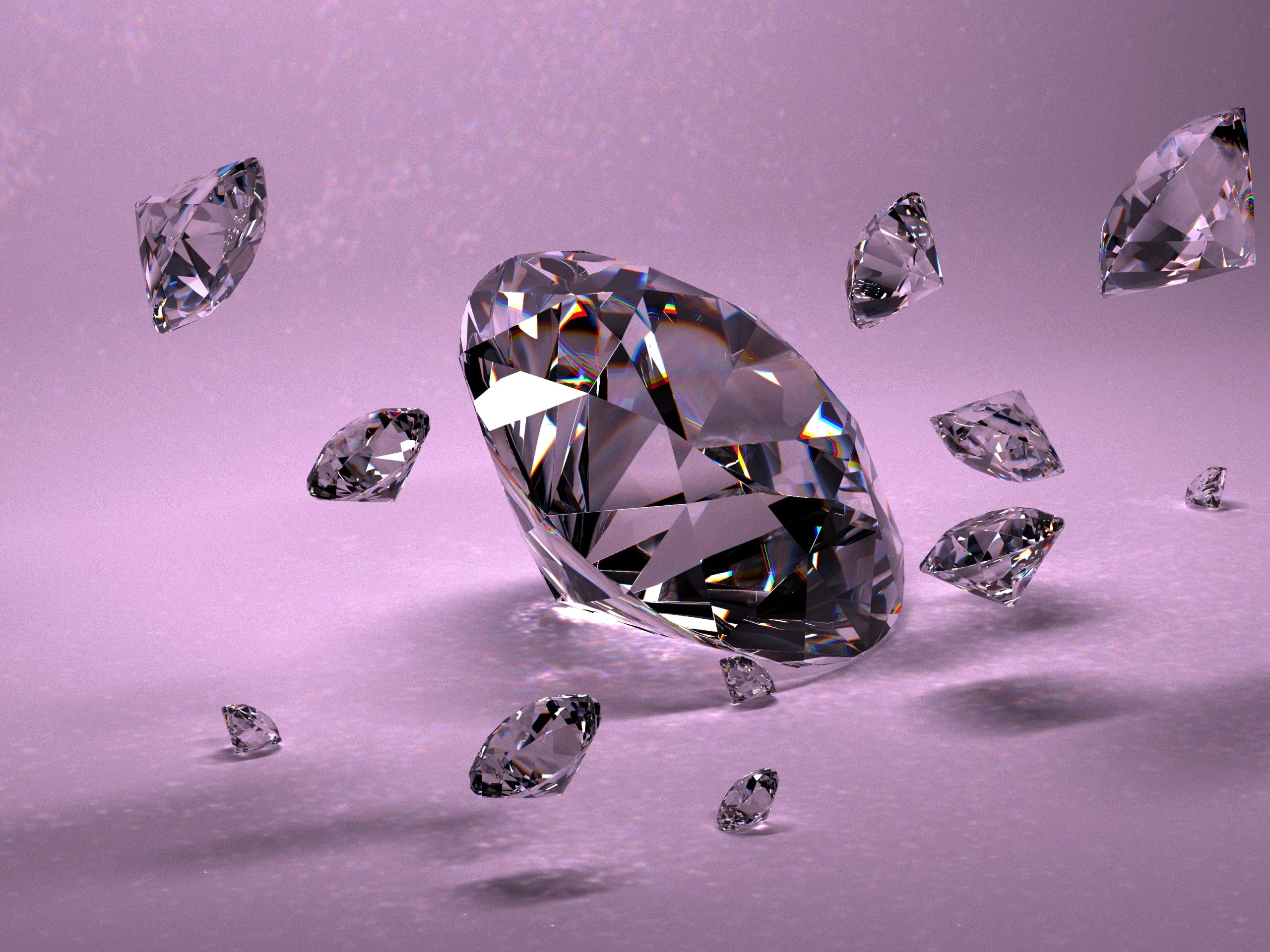
Ah yes, the 4Cs, Cut, Clarity, Colour, and Carat. These four factors determine the quality and price of a diamond, yet many buyers in Australia walk into a store and focus only on the carat size. Big mistake.
Cut is arguably the most important, it determines how much a diamond sparkles. Even a smaller diamond can look more impressive if it’s well-cut. Clarity refers to how clean the stone is, free from internal flaws. Colour rates how colourless the diamond is, on a scale from D (colourless) to Z (light yellow or brown). Carat, of course, refers to the size.
What you might not know? You can often sacrifice a little in clarity and colour without anyone noticing, especially once the diamond is set. For example, an H colour, SI1 clarity diamond can look virtually identical to a D, VS1 to the naked eye, but cost thousands less.
That’s how you get real value, smart compromises, not just big carats.
Also, many Aussies are now opting for lab-grown diamonds. They’re cheaper, conflict-free, and look identical to natural diamonds. If you’re on a tighter budget, they’re worth considering.
Mistake #6: Falling for Trendy Designs That Don’t Age Well
It’s tempting to follow the latest wedding ring trends, after all, Instagram and Pinterest are full of jaw-dropping, unique designs. But here’s the problem: trends come and go, while your wedding ring is meant to last a lifetime. One of the most common mistakes Aussies make is falling head-over-heels for something ultra-trendy that feels outdated a few years later.
Think of it like fashion. Remember when rose gold exploded in popularity? It’s still beautiful, but not everyone feels the same about it five years down the line. Same goes for black diamonds, twisted bands, or mixed-metal designs. These styles might be hot today, but they may not stand the test of time, especially when you’re looking at a piece of jewellery you’ll wear every day for decades.
Instead of chasing fads, try focusing on timeless elegance. Solitaire diamond rings, plain platinum or gold bands, and simple pavé settings have remained popular in Australia for generations for a reason, they’re elegant, adaptable, and classic.
Now, this doesn’t mean you should avoid personality or uniqueness altogether. It just means you should balance personal style with longevity. Maybe go for a timeless band shape but add a subtle twist, like an engraved message or a gemstone that holds meaning.
And remember: this ring represents your relationship. It’s okay to go beyond trends if it speaks to your story. But always ask yourself, will I still love this design in 10, 20, or even 30 years?
Mistake #7: Buying Without Certification or Warranty
You wouldn’t buy a car without a logbook or service history, right? So why buy a wedding ring, especially a diamond one, without certification or a proper warranty? Unfortunately, many Australians fall into the trap of trusting a retailer’s word without any proof to back it up.
Certification is critical, particularly for diamonds. A certified diamond comes with a report from a trusted gemmological lab, like GIA (Gemological Institute of America) or IGI (International Gemological Institute). This report confirms the diamond’s 4Cs, origin, and authenticity. Without it, you’re relying purely on what the jeweller says, and sometimes, that’s not worth the risk.
Warranties are just as important. Your ring will go through wear and tear, especially if it’s worn daily. Good Australian jewellers will offer warranties that cover issues like prong repairs, stone tightening, resizing, or polishing. Some even include lifetime servicing, which can save you hundreds over the years.
When purchasing your ring, always ask:
- Is the diamond certified? By which lab?
- What does the warranty include?
- What’s the return or exchange policy?
- Will you get regular cleaning or inspection services?
Also, ask for everything in writing. Reputable Aussie jewellers like Bevilles, Michael Hill, or Angus & Coote provide documentation as standard. If your jeweller doesn’t? Walk away.
Remember: buying a ring without certification or a warranty is like jumping out of a plane without checking your parachute.
Mistake #8: Not Shopping Around or Comparing Prices
This one’s a biggie. You’d never buy a car from the first dealership you visit without checking prices elsewhere, right? Yet so many Australians buy wedding rings on impulse from the first store they walk into. That’s a huge mistake, especially considering how wildly prices can vary for the exact same ring.
The wedding ring market in Australia is competitive. Big brands, local jewellers, online retailers, and even international sellers are all vying for your business. That means you have power as a buyer, but only if you shop smart.
Start by browsing online. Websites like Blue Nile, James Allen, or even Etsy Australia can give you an idea of current prices and styles. Then, visit a few local jewellery stores, both chain and independent. Don’t be afraid to ask for quotes, compare diamonds side by side, and even try a bit of friendly negotiation.
And here’s a tip: always ask what’s included in the price. Some jewellers throw in extras like free resizing, engraving, polishing, or warranties, which add real value.
Also, keep an eye out for seasonal sales. In Australia, big jewellery discounts often pop up around Christmas, Valentine’s Day, EOFY sales, and Black Friday.
The bottom line? You don’t need to settle. The perfect ring at the right price is out there, you just have to be patient and persistent.
Mistake #9: Overlooking Customisation Options
Many couples assume they’re stuck choosing from what’s available in the display case, but that’s simply not true. One of the best-kept secrets in the Australian jewellery market is the rise of custom-designed wedding rings. Yet so many buyers miss out by not even considering it.
Customisation doesn’t always mean expensive. In fact, depending on what you’re looking for, it can be surprisingly affordable, and you’ll walk away with something truly one-of-a-kind. Think about it: why wear a mass-produced ring when you can create one that tells your unique love story?
Some benefits of custom rings include:
- Picking your own metal and diamond/gemstone combo
- Choosing a style that fits your partner’s taste and lifestyle
- Engraving personal messages or significant dates
- Matching the ring to your engagement ring seamlessly
Australia has some incredible jewellers who specialise in custom work, like Larsen Jewellery, Mondial Pink Diamond Atelier, or Natalie Marie Jewellery. These artisans often offer one-on-one consultations to walk you through the design process, from sketches to stone selection to final polish.
And if you’re worried about time, know this: most bespoke rings can be created within 4–6 weeks if you plan ahead.
Customising your wedding ring adds sentimental value that store-bought rings just can’t match. If there was ever a time to go the extra mile, it’s now.
Mistake #10: Waiting Until the Last Minute
Let’s be real: planning a wedding is chaotic. But putting off buying your wedding ring until the last minute? That’s a recipe for stress, and poor choices.
A lot of couples assume ring shopping can be squeezed in just a few weeks before the big day. But between picking the design, getting the right size, waiting on shipping, and dealing with potential delays (especially for custom rings or special orders), you could find yourself scrambling days before the wedding.
Ideally, you should start shopping for your wedding ring at least 3–6 months before the wedding. This gives you enough breathing room to:
- Try on different styles without pressure
- Order custom designs or engravings
- Resize if needed
- Handle any delivery delays or production hiccups
- Coordinate with the engagement ring if needed
In Australia, especially in regional areas or during busy wedding seasons (like spring and early summer), jewellers can have longer lead times. And remember, if you’re planning a destination wedding, you’ll need even more buffer time to avoid last-minute shipping disasters.
Don’t let a rushed decision turn into a lifelong regret. Give yourself the time to make a choice that feels right, not one that’s made in panic.
Mistake #11: Ignoring Partner’s Preferences
One of the most personal, and surprisingly overlooked, parts of wedding ring shopping is actually considering what your partner wants. It’s a mistake that happens more often than you’d think, especially when one person tries to “surprise” the other with a ring. Sure, surprises can be romantic, but getting the ring completely wrong? That’s a regret that could last a lifetime.
Every individual has their own taste. Some people love dainty, minimalistic bands. Others want something bold and diamond-encrusted. Some might prefer vintage vibes, while others lean toward modern designs. The worst thing you can do is assume your partner’s preference without doing a bit of digging first.
So, how do you get it right without ruining the surprise?
Here are a few Aussie-friendly tips:
- Check their current jewellery: Is it mostly silver, gold, or rose gold? Do they wear chunky or delicate pieces?
- Ask close friends or family: Chances are your partner’s best mate or sibling knows what they like.
- Sneak in some window shopping: Visit a jewellery store “just for fun” and pay attention to their reactions.
- Browse Pinterest together: Ask them to show you styles they love, save those pins!
Another great option? Shop together. It might seem unromantic to some, but more Aussie couples are choosing this route. It ensures both partners are happy with their rings, and you can still surprise them later with something meaningful, like a sweet engraving or a romantic proposal.
The bottom line? It’s their ring, too. Don’t make the mistake of letting ego or assumptions get in the way of what could be a perfect choice for both of you.
Mistake #12: Choosing the Wrong Ring Size
It might sound obvious, but you’d be shocked at how many Australians buy the wrong-sized wedding ring. Whether it’s too tight or keeps spinning on the finger, an ill-fitting ring can be uncomfortable and even unwearable, completely defeating the purpose of this special symbol.
The challenge? You often want the ring to be a surprise. So how do you get the size right without giving the game away?
Here are some tried-and-true Aussie hacks:
- Borrow a ring they already wear on the same finger and have it measured at a jeweller.
- Trace the inside of their ring on paper and compare it to a sizing guide online.
- Ask a friend or family member to sneakily ask or find out during a casual convo.
- Use a ring sizing app, there are several that help you measure based on existing rings.
But remember: finger size can vary based on weather (hot Aussie summers can swell fingers), time of day, and even hydration. That’s why jewellers recommend getting sized at different times for the most accurate fit.
Also, not all rings are easily resized. For example, titanium or tungsten rings are extremely difficult, or even impossible, to adjust. If you choose those, you must get the size spot-on.
Luckily, most reputable Australian jewellers offer complimentary resizing, especially if it’s a basic gold or platinum ring. But if resizing isn’t included, expect to pay anywhere from $50 to $200, depending on the metal and complexity.
Moral of the story? Don’t wing it. Take your time and make sure the ring fits like a glove.
Mistake #13: Buying Solely Based on Price
We get it, weddings are expensive, and there’s often pressure to cut corners. But when it comes to wedding rings, going for the cheapest option just because of the price tag can backfire in a big way.
Some people think, “It’s just a ring,” or “I’ll upgrade it later.” But this isn’t just any ring, it’s a lifelong symbol of your commitment. And cheaping out on materials, craftsmanship, or authenticity often leads to problems down the road.
Low-cost rings often come with:
- Inferior metal quality (which can tarnish or break)
- Poorly set stones (that can fall out)
- No warranty or certification
- No customisation options
- Lack of proper resizing or aftercare
On the flip side, this doesn’t mean you need to spend a fortune either. You can absolutely find beautiful, affordable rings that are high quality, you just have to be smart. Prioritise value over flash.
Here’s how to be budget-smart:
- Go for 14k gold instead of 18k, it’s cheaper and more durable.
- Consider lab-grown diamonds, they’re ethical, beautiful, and up to 40% less expensive.
- Choose a smaller but well-cut diamond, cut quality adds more sparkle than carat size.
- Buy from independent Australian jewellers who often offer better deals and service than big chains.
And remember, you’re not just buying a piece of jewellery. You’re buying peace of mind, comfort, and a symbol that will last decades. Spending a bit more now could mean spending far less on repairs or replacements in the future.
Mistake #14: Not Considering Future Upgrades
Many couples in Australia get so caught up in the moment that they forget to think long-term. But here’s a powerful idea: what if the ring you buy now isn’t the final ring? That’s right, upgrading is a popular option, especially after major life events like anniversaries, the birth of a child, or hitting financial milestones.
Yet too many people buy wedding rings without checking if the jeweller offers upgrade or trade-in policies. That’s a missed opportunity.
Some benefits of planning for future upgrades:
- You can start with a simpler ring and upgrade to a more elaborate one later.
- It allows flexibility if your financial situation improves.
- You can add sentimental touches over time, like extra diamonds or engravings.
- It gives your partner something exciting to look forward to.
Australian jewellers like Hardy Brothers, Larsen Jewellery, and others often offer lifetime upgrade options, allowing you to return your original diamond or ring and apply its value towards a new purchase. Just make sure you ask about the conditions, some only allow upgrades if you double the value or keep original certifications.
And hey, even if you never use it, knowing you can upgrade offers peace of mind.
Your love story will evolve over time, your ring can too.
Conclusion
Buying a wedding ring is more than a simple transaction; it’s a decision that carries weight, emotion, and meaning. For many Australians, it’s one of the most personal and lasting parts of a wedding. But with so much excitement and pressure wrapped up in this purchase, it’s easy to make costly or emotional mistakes.
From forgetting to set a budget to ignoring your partner’s style, choosing the wrong materials, or rushing your decision, these common errors can turn what should be a joyful experience into a stressful one.
But it doesn’t have to be that way.
Take your time. Do your research. Shop around. And most importantly, make choices that reflect both your lifestyle and your love story. Because when you get it right, your wedding ring becomes more than just jewellery, it becomes a treasured part of your everyday life.
FAQs
1. What is the average cost of a wedding ring in Australia?
The average cost ranges from $1,000 to $3,000 for men’s rings and $2,500 to $5,000+ for women’s rings, depending on metal type and diamonds. Lab-grown and simple designs can be more budget-friendly.
2. Can I insure my wedding ring in Australia?
Yes, you can insure it through your home contents insurance or specialised jewellery insurance providers like Q Report or Centrestone. Make sure to keep your receipt and diamond certification for claims.
3. Are lab-grown diamonds popular in Australia?
Yes, lab-grown diamonds are gaining popularity due to being eco-friendly, ethically sourced, and more affordable. They are visually and chemically identical to natural diamonds.
4. Is platinum better than gold for Australian weather?
Platinum is ideal for Australia’s humid and coastal climates. It’s highly durable and resists tarnishing, while gold (especially white gold) may need re-plating over time.
5. How far in advance should I buy a wedding ring?
Start shopping at least 3–6 months before your wedding. This allows time for sizing, customisation, delays, and any unexpected issues.
by Australian Diamond Brokers : September 16th 2025 Come visit our store or browse our website to find out more.