

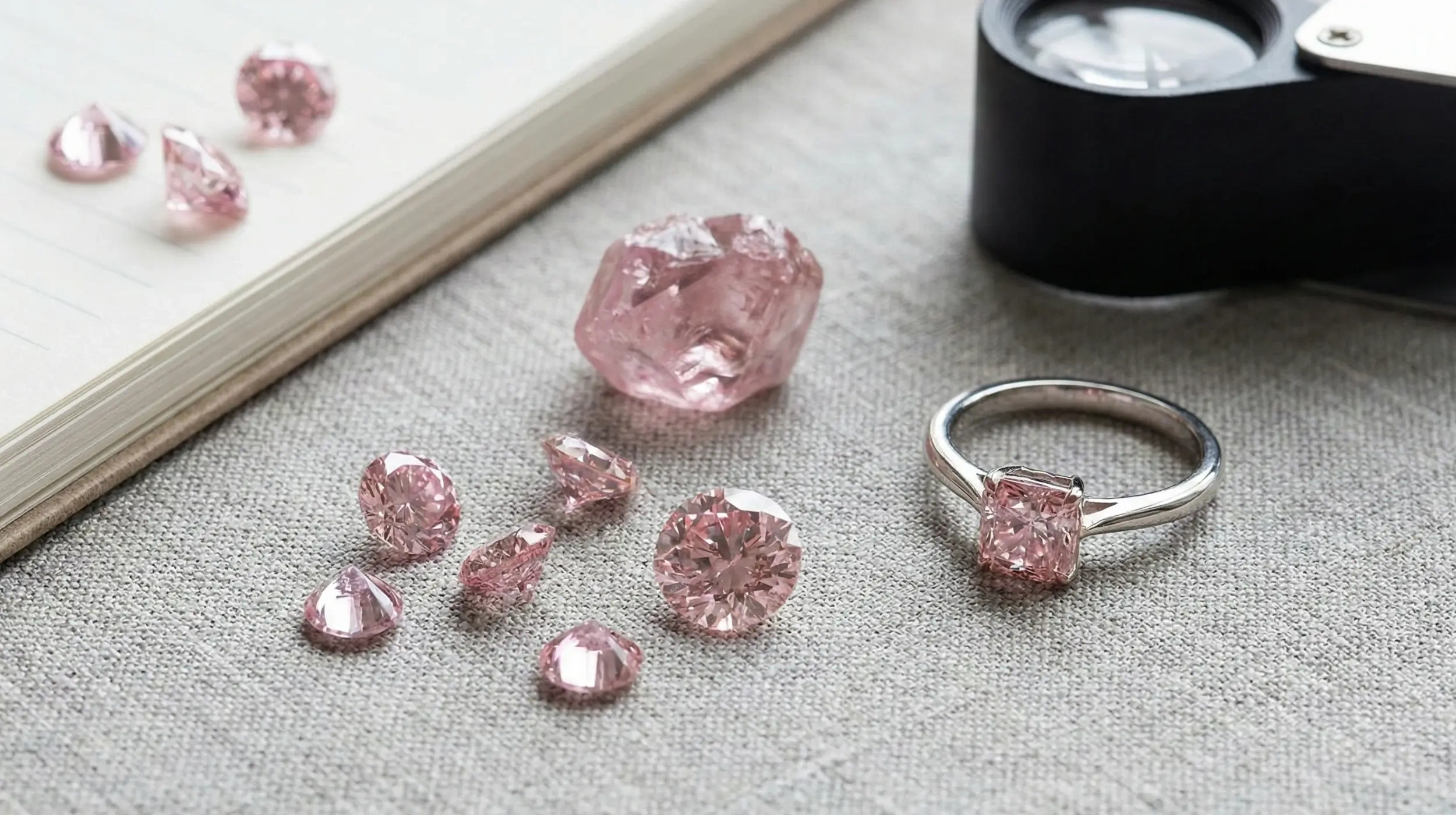
Pink diamonds have always held a special place in the world of gemstones. They’re not just beautiful, they’re breathtaking. But beyond their aesthetic appeal lies a powerful allure: rarity. These stones are like the unicorns of the diamond world. With the closure of the Argyle mine in Australia, which was the primary source of natural pink diamonds for decades, people are wondering, Will pink diamonds ever be mined again? Is this the end of an era or the beginning of a new chapter in gemstone exploration?
This isn’t just a question for collectors or jewellers. It’s something that impacts global markets, investment strategies, and even the future of sustainable mining. The truth is, the pink diamond story is far from over, but it’s evolving. Whether you’re a curious enthusiast or someone eyeing a glittering investment, buckle up, this journey through the rare world of pink diamonds might just surprise you.
What Are Pink Diamonds?
Pink diamonds are essentially carbon, just like their white counterparts, but what makes them special is the mysterious twist in their formation. Unlike blue or yellow diamonds, which get their colour from trace elements like boron or nitrogen, pink diamonds owe their colour to a structural anomaly in the crystal lattice. Basically, as the diamond forms under intense pressure, the atomic structure shifts in a way that bends light differently, voilà, pink!
These diamonds come in a spectrum of shades, from faint blush to intense magenta, and the deeper the colour, the more valuable the stone. They’re graded on a unique colour scale that includes tone (light to dark) and saturation (faint to vivid).
And then there’s the difference between natural and treated pink diamonds. Some diamonds are artificially enhanced using high-pressure, high-temperature (HPHT) treatments or irradiation. While they can look similar, natural pink diamonds, those formed without human intervention, are far rarer and exponentially more valuable.
For investors and collectors, it’s not just about colour. It’s about origin, authenticity, and the inherent mystery that surrounds these geological marvels. Each pink diamond tells a story that spans billions of years, and that’s something a lab can never replicate.
Why Are Pink Diamonds So Rare?
Let’s get one thing straight: pink diamonds are exceptionally rare. We’re talking about a fraction of a fraction of the total diamonds mined worldwide. For every one million carats of rough diamonds extracted, only a handful are pink. And even fewer are of gem quality.
The reason? It all boils down to extreme geological conditions. Pink diamonds are thought to form deep within the Earth under immense pressure and temperature, more so than standard diamonds. The deformation that causes the pink hue is believed to occur during the diamond’s rise to the surface, when the internal atomic structure is altered just enough to absorb green light and reflect pink.
Add to that the fact that they’ve only ever been consistently found in one place, the Argyle mine in Western Australia, and you can start to grasp just how special these stones are. Even at Argyle, pink diamonds made up less than 0.01% of the mine’s total output.
In essence, pink diamonds are the result of a billion-year-old fluke. And when the only place reliably producing them shuts down? You better believe the world pays attention.
The Role of the Argyle Mine
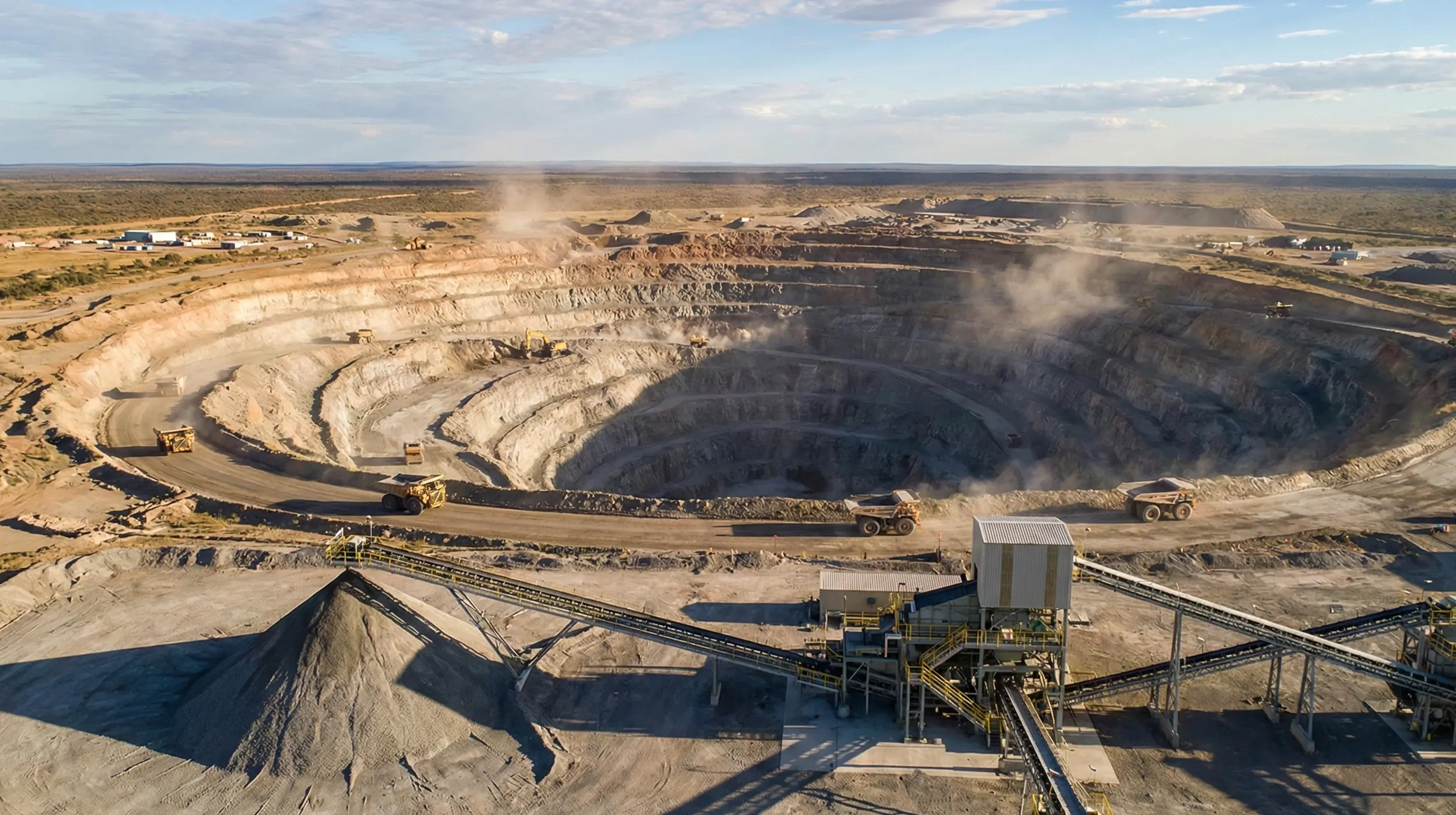
The Argyle mine, operated by Rio Tinto, was the beating heart of the pink diamond market for over three decades. Situated in the remote East Kimberley region of Western Australia, this mine was responsible for over 90% of the world’s natural pink diamond supply. Think about that, one single mine producing nearly all the pink diamonds we’ve ever seen in jewellery stores and auction houses.
What made Argyle so unique was its consistent yield of pinks. While other mines may have uncovered the odd pink diamond, Argyle had a pipeline of stones, albeit in small volumes, that fed global demand.
In 2020, the mine closed due to the exhaustion of economically viable deposits. This was a monumental moment. For collectors, it marked the end of an era. For investors, it triggered a massive price surge. And for the gemstone industry, it left a giant pink hole that no one has been able to fill, yet.
The legacy of Argyle lives on not just in the stones but in the branding, certifications, and the famed Argyle Pink Diamonds Tender, an exclusive annual event that auctioned the rarest pinks to a select few. With its closure, the world suddenly had to come to terms with a finite supply.
How Argyle’s Closure Impacted the Market
The day Argyle shut its gates, the pink diamond market entered a whole new realm. Prices surged, and fast. Within months, the value of high-quality pink diamonds, especially those with provenance from Argyle, rose significantly. Some stones doubled in value. Why? Basic economics: supply vanished, but demand didn’t.
Auctions around the world began showcasing pink diamonds like prized artworks. Christie’s, Sotheby’s, and other major houses started seeing record-breaking bids for pinks, particularly those over one carat with vivid saturation.
It wasn’t just collectors jumping in. Investors, hedge funds, and even family offices began eyeing pink diamonds as alternative assets. These gems offered not just beauty, but scarcity, and in the investment world, scarcity equals value.
For jewellers, it became a scramble. Designs that used to include a dozen small pink diamonds had to be rethought. For consumers? You either bought immediately or risked being priced out forever.
Where Were Pink Diamonds Found Outside Argyle?
While Argyle was the undisputed pink diamond powerhouse, it wasn’t the only place they were ever found. There are a few other locations around the world where pink diamonds have surfaced, but the volume and quality just don’t come close to what Argyle produced.
Let’s start with Brazil. The country has long been known for its gem deposits, and pink diamonds have occasionally been found in the Minas Gerais region. The stones here tend to be lighter in colour and smaller in size compared to Argyle pinks. They’re pretty, no doubt, but they lack the intensity and signature hue that made Argyle pinks so famous.
Then there’s Russia, particularly from the Mir and Udachnaya pipes in Siberia. These mines have yielded a few pink diamonds over the years, but again, we’re talking about very low quantities. They’re so rare that when one is discovered, it often makes international headlines.
Africa has also joined the conversation, with a few pink diamonds discovered in Angola and Tanzania. The Williamson mine in Tanzania, for example, is known for producing rare pink and blue diamonds. One of the most famous pink diamonds, the Williamson Pink Star, actually came from this very location.
But here’s the kicker: none of these locations produce pink diamonds consistently. It’s more like a surprise bonus in a batch of mostly colourless stones. And that’s the major issue: without a steady, reliable source, it’s nearly impossible to predict market supply or meet demand in any meaningful way.
So while pink diamonds can be found in other parts of the world, the reality is they’re found randomly and in such small numbers that it’s more of a fluke than a stream. This reinforces just how massive Argyle’s role really was, and why its closure sent such shockwaves through the industry.
Alt text: Diamond mine
Can Pink Diamonds Be Mined Again in Australia?
This is the golden question. With Argyle shut, could there be another pink diamond mine hiding in Australia’s rugged outback? Well, geologists and mining companies certainly think so, and they’re putting boots on the ground and drones in the sky to find out.
Exploration around the East Kimberley region hasn’t stopped. In fact, it’s ramped up. A handful of Australian exploration firms have obtained licenses and begun digging around old Argyle outcroppings and lesser-known sites nearby. Their goal? To discover secondary kimberlite pipes or lamproite fields that may have been overlooked.
The truth is, the geology of Australia is incredibly complex. It took years to find Argyle in the first place, and even longer to figure out how to extract its diamonds efficiently. So there’s hope, educated hope, that new deposits could exist, even if they’re smaller or deeper underground.
There’s also talk about reprocessing old Argyle tailings (the leftover material from mining). With today’s improved extraction technologies, some believe valuable pink diamonds might still be lurking in the discarded rubble. It’s like going back through your trash and finding a lottery ticket you missed.
However, the challenges are steep. Mining is expensive. Pink diamonds are incredibly rare. And without strong geological indicators, securing investment can be difficult. Still, with pink diamond prices skyrocketing, even a small find could be extremely profitable, and that’s enough to keep the Aussie diamond hunters in the game.
In summary, while we haven’t found a new “Argyle 2.0” yet, the search is far from over. And in the vast, ancient landscapes of Australia, who’s to say what might be waiting just beneath the surface?
Global Mining Efforts to Find Pink Diamonds
The hunger for pink diamonds isn’t just an Australian obsession; it’s a global pursuit. Around the world, countries with diamond-rich regions are stepping up exploration efforts, hoping to strike pink gold. Let’s break down where the action is.
- Canada has become a hotspot for diamond mining, with operations like Diavik and Ekati in the Northwest Territories. While these mines primarily produce white diamonds, there have been whispers of occasional colour stones. However, pinks remain exceptionally rare and, so far, haven’t appeared in commercial quantities.
- Russia continues to explore new kimberlite pipes in Siberia. With its massive diamond infrastructure and advanced mining technologies, there’s always a chance that a significant pink diamond deposit could be discovered in the remote tundra.
- Brazil is undergoing renewed exploration in its historical gem zones. New small-scale operations and artisan miners are revisiting old dig sites in the hope of finding overlooked coloured diamonds, including pinks.
- Africa, particularly Angola and Tanzania, is drawing increasing interest. The Lulo mine in Angola has produced some spectacular large coloured diamonds, and geologists believe the region may be sitting on untapped treasures. In Tanzania, the Williamson mine continues to produce rare pinks from time to time.
What’s interesting is the new role of private investors and boutique mining companies. With the prices of pink diamonds soaring, many smaller players are entering the game, willing to take risks in less explored areas. Satellite imaging, remote sensing, and even machine learning are being used to scan vast terrains for telltale signs of diamond-bearing rock.
However, even with all this effort, there’s no guarantee of finding a commercially viable source of pinks. Nature doesn’t give up its secrets easily. But for those who do strike pink, the rewards could be legendary.
Technological Advances in Exploration
The diamond hunt isn’t just pickaxes and pans anymore. Today, mining exploration is a high-tech game, and these advancements could be key to discovering new sources of pink diamonds.
First off, satellite imaging allows geologists to scan massive areas for surface anomalies that might suggest kimberlite or lamproite deposits, rocks known to carry diamonds. These scans can cover hundreds of square miles in days, identifying hotspots that would have taken years to map on foot.
Then there’s geochemical analysis, where scientists test soil and rock samples for specific mineral signatures. If certain trace elements are present, like garnets or ilmenite, it could indicate a nearby diamond deposit.
Enter AI and machine learning. These technologies are revolutionising how data from previous mining operations is analysed. By feeding historical drilling records, satellite data, and even global geological patterns into machine learning models, explorers can predict where new diamond deposits are most likely to be found.
Drone technology is also playing a massive role. Drones equipped with multispectral cameras can scan hard-to-reach areas, providing detailed 3D maps and geological insights, all without ever setting foot on the ground.
And let’s not forget about deep drilling equipment. Today’s rigs can go deeper, faster, and more accurately than ever before, allowing companies to test promising sites with incredible precision.
All of these tools combined mean that the odds of finding new pink diamond deposits, however slim, are better than they’ve ever been. The treasure map is getting more detailed, and the X marking the spot could be just around the corner.
The Rise of Lab-Grown Pink Diamonds
Let’s talk about the elephant in the jewellery store: lab-grown pink diamonds. Over the past few years, synthetic diamonds have gone from novelty to mainstream, and pinks are no exception. In fact, as natural pink diamonds become increasingly rare and expensive, lab-grown versions are booming.
So, how are they made? There are two main methods: High Pressure High Temperature (HPHT) and Chemical Vapour Deposition (CVD). HPHT mimics the conditions found deep inside the Earth, while CVD grows diamonds layer by layer in a chamber using carbon-rich gases. These techniques can now produce stones with stunning clarity and colour, including pink.
But here’s the kicker: many lab-grown pink diamonds aren’t pink when they’re first made. They’re usually created as brown or yellow and then treated post-growth with heat and irradiation to turn them pink. The result? A vibrant, often flawless diamond that looks just like the real thing, at a fraction of the price.
From a visual perspective, it’s nearly impossible to distinguish a lab-grown pink from a natural one without specialized equipment. However, gem labs can detect them easily, and most reputable dealers will clearly label lab-created diamonds.
What does this mean for consumers? Choice. You can now get a 1-carat pink diamond for under $5,000, a price that would barely get you a 0.10-carat natural pink with medium colour intensity. That’s a game-changer for couples shopping for engagement rings or anyone who loves the idea of owning a pink gem without the six-figure price tag.
Still, the value proposition is different. Lab-grown diamonds don’t hold value like naturals do. They depreciate the moment you buy them, while natural pinks, especially those from Argyle, have proven to be excellent long-term investments.
So, while lab-grown pinks aren’t a replacement for natural ones, they’re a fascinating, affordable alternative that’s opening up a whole new world for gem lovers.
Natural vs. Lab-Grown: The Market Impact
The growing availability of lab-grown pink diamonds has definitely shaken up the industry, but it’s done more to reshape the market than to replace it. Why? Natural and lab-grown diamonds serve different needs and attract different buyers.
Natural pink diamonds are viewed as collectibles and investments. Their rarity, especially post-Argyle, means they’re now seen much like fine art or vintage wine. They have a story, a provenance, and a finite supply, qualities that appeal to high-net-worth individuals and investors alike. Each natural pink diamond is a geological miracle, formed over billions of years, and no two are alike.
Lab-grown pink diamonds, on the other hand, are perfect for those who want the beauty without the bank-breaking cost. They’ve made pink diamonds more accessible to a wider audience, people who once dreamed of owning one but could never afford it.
But this accessibility comes with a catch: lab-grown diamonds don’t appreciate in value. In fact, they typically lose value over time as technology improves and production increases. For example, a lab-grown pink diamond that cost $3,000 five years ago might cost $1,500 today for a similar or better stone.
The result? We’re seeing a two-tiered market emerge. Natural pink diamonds continue to rise in price due to scarcity, while lab-grown pinks become more affordable and widely available. Both have their place, but they’re not interchangeable.
Jewellers have had to adapt quickly. Some focus exclusively on natural stones, marketing their uniqueness and investment potential. Others embrace lab-grown, offering trendy, customizable pieces at lower prices. And a few even blend both worlds, giving clients options across the budget spectrum.
For consumers, this is a win. You get more choices than ever before, whether you’re after a rare collector’s piece or a fun, flashy pink diamond ring for everyday wear.
Will Pink Diamonds Be Mined Again Naturally?
So, let’s circle back to the big question: Will natural pink diamonds ever be mined again?
The honest answer? Probably, but not on the scale we saw with Argyle.
Geologists believe there are still undiscovered diamond-bearing regions in Australia and possibly Africa or Russia that could contain pink diamonds. However, finding them is like trying to locate a specific grain of sand on a beach. It’s possible, but it takes time, resources, and a whole lot of luck.
Mining companies continue to explore, especially around the old Argyle site. Some are revisiting previously discarded areas with better technology, while others are targeting new sites based on geological similarities to Argyle. There’s also hope that deep-sea or underwater mining may someday uncover new diamond sources, but that brings its own set of environmental and ethical concerns.
If pink diamonds are found again, they’ll likely be in much smaller quantities. We may see a few spectacular stones unearthed now and then, but a consistent, reliable source like Argyle? That’s a long shot.
In the meantime, demand remains strong. As long as people crave these rosy gems, and they will, the push to find new sources will continue. Whether through luck, tech, or perseverance, pink diamonds may once again be pulled from the Earth. But don’t expect another flood. At best, we’ll see a trickle.
And that trickle? It will only make these already rare gems even more sought-after.
The Economic Incentives Behind the Search
Why go through all this trouble for pink diamonds? Simple: money. The economic incentive is enormous. With top-quality pink diamonds fetching hundreds of thousands, or even millions, per carat, even a small find could mean a massive payday for a mining company.
To put it in perspective: while a one-carat white diamond might sell for $5,000 to $10,000, a one-carat fancy vivid pink can go for over $100,000, and that’s conservative. Some vivid pinks have broken the $2 million-per-carat mark at auction.
These kinds of numbers attract investors like bees to honey. Hedge funds, private equity firms, and even high-net-worth individuals are backing mining startups in the hope of discovering the next pink hotspot.
But it’s not just about selling stones. Pink diamonds also generate brand prestige. A mining company that discovers even a handful of rare pinks can suddenly position itself as a luxury supplier, leading to brand deals, investor buzz, and stock gains.
Even governments get involved. In resource-rich nations, pink diamond discoveries can boost GDP, create jobs, and attract foreign investment. Just look at how Argyle put Western Australia on the global gemstone map.
In short, the financial lure of pink diamonds is irresistible. And as long as the money’s good, you can bet the search will go on.
What the Future Holds for Pink Diamond Availability
The future of pink diamonds is a blend of mystery, opportunity, and realism. We’re unlikely to see a flood of new natural pinks hit the market anytime soon, but that scarcity is part of what makes them so compelling.
Natural pink diamonds will remain ultra-rare luxury items, fetching premium prices and continuing to rise in value. Their place in the market is secure, think of them as the Fabergé eggs of the gem world: beautiful, collectible, and irreplaceable.
At the same time, lab-grown pinks will become more refined, more colourful, and more affordable. We may even see a time when lab-grown pink diamonds rival natural ones in colour intensity and overall appeal for the average consumer.
For miners and explorers, the challenge continues. New tools, AI, and global partnerships might one day reveal hidden pink deposits. But until then, scarcity rules.
One thing is for sure: pink diamonds aren’t going away. Whether mined from the Earth or crafted in a lab, their beauty and mystique will always keep them in demand.
How to Invest in Pink Diamonds Today
If you’re thinking of jumping into the pink diamond market, you need a strategy, because buying these gems isn’t like picking out a new pair of shoes. It’s serious business.
Here are some tips:
- Know the source: Always buy certified stones from reputable dealers. A certificate from GIA or Argyle is essential.
- Understand the 4 Cs, plus colour: Cut, clarity, carat, and colour still matter, but with pinks, colour saturation is king. The more vivid the hue, the more valuable the stone.
- Size isn’t everything: Smaller, vivid pinks can sometimes be worth more than larger, faint ones. Don’t get distracted by carat weight alone.
- Track provenance: Argyle diamonds carry special markings and certificates. These stones are especially valuable and sought after.
Beware of treatments: Some pink diamonds are treated to enhance colour. These are worth much less than untreated naturals.
If you’re buying as an investment, focus on vivid or intense pinks, ideally from Argyle. Keep them in secure storage, and watch their value rise. For personal use, lab-grown may be a more budget-friendly way to enjoy the beauty without breaking the bank.
Either way, you’re owning a piece of Earth’s rarest sparkle.
Conclusion
So, will pink diamonds ever be mined again? Probably, but not in the way we once knew. Argyle was a geological jackpot, and its closure marked the end of an incredible era. While other regions may offer glimmers of hope, the consistent production of natural pinks is a thing of the past, for now.
Still, that scarcity has only amplified their magic. With technology advancing and exploration continuing, there’s always a chance the Earth will reveal another rosy secret. Until then, pink diamonds, both natural and lab-grown, will remain icons of rarity, beauty, and brilliance.
FAQs
Are pink diamonds rarer than blue diamonds?
Yes. While both are incredibly rare, pink diamonds are considered rarer, especially the vivid ones from Argyle.
Can I still buy natural pink diamonds today?
Absolutely. Though they’re rare, many dealers and auction houses still sell natural pinks, especially from old Argyle stock.
Are lab-grown pink diamonds worth anything?
They have beauty and utility, but they don’t hold value like natural pinks. They’re perfect for personal use but not ideal for investment.
Is it possible to find pink diamonds in the wild today?
Yes, but it’s extremely rare. Some have been found in Brazil, Africa, and Russia, but not in commercially viable quantities.
What makes Argyle pink diamonds so special?
Their intense colour, limited supply, and clear origin make them highly collectible and valuable, especially post-mine closure.